
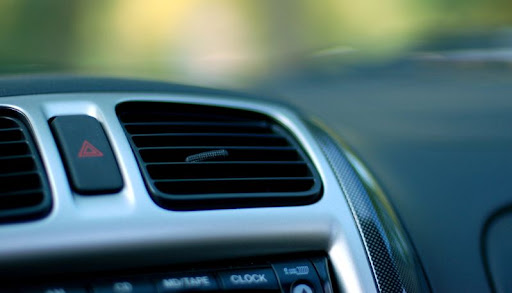
The knobs on your dashboard control a fan rotating at variable speeds. This is what circulates the temperature-treated air into the passenger compartment.
Heating systems use hot coolant that flows through the engine to warm the air. The scorching coolant and the air meet at the heater core, then part their ways as the air seeps its way though to the vents in your dashboard.
AC (refrigeration) systems use thermodynamic principles to keep their cool. These are the same in your car, home, office, and even refrigerator. As gas expands, it begins to absorb heat. When that same heat is used up, it condenses into a liquid state. AC refrigerant is a chemical that can change from a gas to a liquid and back again at moderate temperatures and pressures. As the chemical fuses between liquid and gas, heat is sucked out of the passenger compartment and released to the outside air.
Depending on how old you car is, your AC system maybe you of date (and unfriendly to the environment!):
- R12 (Freon) AC System was invented in 1928 and discontinued in the early 1990s after it was found to have significant ozone layer-depletion properties
- R134a is a more environmentally friendly option to R12 that is used in modern cars and to recharge AC systems in older cars.
So if you’ve been having issues controlling the temperature inside your car, come and get it looked at. It could really be as simple of a problem as needing a coolant flush.
See these links for technical information of car heaters:

No comments:
Post a Comment